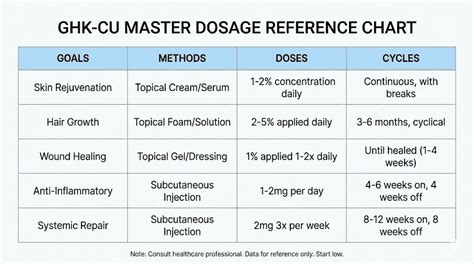
Understanding GHK Cu Peptide: What Is It Used For in Modern Skincare and Biotechnology
The peptide known as GHK-Cu, or copper peptide, has emerged as a cornerstone ingredient in advanced dermatological formulations and regenerative medicine. Naturally occurring in human plasma, this tripeptide complex (glycyl-histidyl-lysine) bound to a copper ion is recognized for its profound ability to modulate cellular repair processes. In the B2B peptide wholesale sector, GHK-Cu is primarily utilized for its capacity to stimulate collagen synthesis, reduce oxidative stress, and accelerate wound healing. The current market trend indicates a decisive shift toward clean, science-backed anti-aging ingredients, with GHK-Cu leading formulations due to its proven efficacy and minimal irritation profile. When evaluating bulk suppliers, key parameters include purity levels (≥98%), precise peptide concentration, and the integrity of the delivery system. Unlike retinol, GHK-Cu offers a gentler mechanism of action with fewer side effects, making it a preferred active for sensitive skin formulations. For procurement professionals, prioritizing vendors who provide third-party lab testing and clear certificates of analysis is essential to ensure qualification and potency. This article explores the top five benefits of GHK-Cu peptide and its specific applications in the wholesale peptide market.
Top 5 Benefits of GHK Cu Peptide for B2B Formulations
1. Collagen Production and Anti-Aging Efficacy
GHK-Cu is widely recognized for its ability to stimulate fibroblasts, the cells responsible for collagen and elastin production. Clinical data suggests that consistent application of GHK-Cu can increase collagen synthesis by up to 70% in aged skin. For B2B buyers, this translates into a high-demand ingredient for anti-aging serums and creams. The peptide works by signaling the body to repair damaged extracellular matrix components, reducing the appearance of fine lines and wrinkles. When comparing GHK-Cu to retinol, the former provides a non-irritating alternative with comparable results, making it suitable for sensitive skin formulations. Wholesale suppliers should emphasize purity levels above 98% to ensure maximum bioavailability and efficacy in finished products.
2. Wound Healing and Tissue Regeneration
One of the primary applications of GHK-Cu is in wound healing formulations. The peptide accelerates the migration of keratinocytes and fibroblasts to wound sites, promoting faster closure and reduced scarring. In the B2B sector, this makes GHK-Cu a valuable ingredient for post-procedure skincare, burn treatments, and surgical recovery products. Research indicates that GHK-Cu can reduce healing time by up to 30% compared to untreated controls. For wholesale buyers, sourcing GHK-Cu with documented stability and solubility data is critical for formulating effective wound care solutions. The peptide’s anti-inflammatory properties further enhance its utility in reducing redness and swelling during the healing process.
3. Anti-Inflammatory and Antioxidant Protection
GHK-Cu exhibits potent anti-inflammatory and antioxidant activities, making it a key ingredient in formulations targeting acne, rosacea, and environmental damage. The peptide chelates free copper ions, preventing oxidative stress that leads to premature aging. In B2B applications, GHK-Cu is often combined with other antioxidants like vitamin C or niacinamide to create synergistic effects. The current market trend shows a rising demand for multifunctional ingredients that address both inflammation and aging. Wholesale suppliers should provide certificates of analysis confirming the peptide’s ability to reduce pro-inflammatory cytokines such as TNF-α and IL-6. This data is essential for formulators developing products for sensitive or reactive skin types.
4. Hair Growth and Follicle Stimulation
Beyond skincare, GHK-Cu is increasingly used in hair growth formulations. The peptide stimulates hair follicle proliferation and prolongs the anagen (growth) phase of the hair cycle. Clinical studies demonstrate that topical application of GHK-Cu can increase hair density by up to 20% over 12 weeks. For B2B buyers, this opens opportunities in the expanding hair care market, particularly for products targeting androgenetic alopecia or age-related thinning. When sourcing GHK-Cu for hair formulations, consider the peptide’s molecular weight and solubility to ensure optimal penetration into the scalp. Wholesale suppliers offering GHK-Cu with a purity of ≥99% are preferred for high-performance hair serums.
5. Skin Barrier Repair and Hydration
GHK-Cu plays a critical role in restoring the skin barrier function by upregulating the production of lipids and proteins essential for moisture retention. This benefit is particularly valuable for formulations targeting dry, dehydrated, or compromised skin. In the B2B market, GHK-Cu is often incorporated into moisturizers and barrier repair creams. The peptide’s ability to increase hyaluronic acid synthesis further enhances its hydrating properties. For wholesale procurement, it is important to verify the peptide’s stability in various pH ranges and formulation bases. Suppliers providing GHK-Cu with documented compatibility data for oil-in-water emulsions or water-based serums are highly sought after.
Key Parameters for B2B GHK Cu Peptide Procurement
| Parameter | Specification | Importance for B2B |
|---|---|---|
| Purity | ≥98% (HPLC) | Ensures efficacy and reduces impurities |
| Peptide Concentration | 0.1% – 1% in final formulation | Determines potency and cost-effectiveness |
| Delivery System | Liposomal or encapsulated | Enhances stability and skin penetration |
| Solubility | Water-soluble | Facilitates formulation in serums and creams |
| Third-Party Testing | COA, MSDS, stability data | Validates quality and regulatory compliance |
Comparison: GHK Cu Peptide vs. Retinol for Anti-Aging
- Mechanism of Action: GHK-Cu stimulates collagen via fibroblast signaling, while retinol accelerates cell turnover through retinoid receptors.
- Side Effects: GHK-Cu is non-irritating and suitable for sensitive skin; retinol often causes redness, peeling, and photosensitivity.
- Efficacy Timeline: GHK-Cu shows visible results in 4-8 weeks; retinol may require 8-12 weeks for comparable effects.
- Stability: GHK-Cu is stable in aqueous solutions; retinol degrades rapidly in light and air, requiring specialized packaging.
- Market Demand: GHK-Cu is trending in clean beauty; retinol remains a standard but faces competition from gentler alternatives.
“For B2B peptide wholesalers, GHK-Cu represents a high-margin opportunity due to its proven efficacy, low irritation profile, and growing consumer demand for science-backed anti-aging ingredients. Prioritize suppliers with transparent third-party testing and purity guarantees above 98%.”
Usage Guidelines for GHK Cu Peptide in Formulations
For optimal results, GHK-Cu is typically applied in serum or cream formulations at concentrations ranging from 0.1% to 1%. The peptide is best used twice daily, morning and evening, on clean skin. In B2B applications, formulators should consider the following:
- pH Compatibility: GHK-Cu is stable at pH 5.0-6.5, making it suitable for most skincare bases.
- Combination with Actives: Avoid combining with strong acids (e.g., glycolic acid) or high concentrations of vitamin C, which may destabilize the peptide.
- Storage: Store GHK-Cu in a cool, dry place away from direct sunlight to maintain potency.
- Packaging: Use airless pumps or opaque containers to protect the peptide from oxidation.
Procurement Checklist for B2B Buyers
- Verify purity ≥98% via HPLC analysis from third-party labs.
- Request certificates of analysis (COA) for each batch.
- Confirm solubility and stability data for intended formulation type.
- Evaluate supplier’s track record in peptide synthesis and quality control.
- Compare pricing per gram based on purity and volume discounts.
- Ensure compliance with regional regulations (e.g., FDA, EU CosIng).
Market Trends and Future Outlook for GHK Cu Peptide
The global peptide therapeutics market is projected to grow at a CAGR of 8.5% through 2030, with GHK-Cu playing a significant role in the cosmeceutical segment. Current trends indicate a shift toward multifunctional peptides that address multiple skin concerns simultaneously. For B2B buyers, this means investing in GHK-Cu formulations that combine anti-aging, anti-inflammatory, and barrier repair benefits. The rise of personalized skincare also drives demand for peptides with documented efficacy across different skin types. Wholesale suppliers who offer GHK-Cu with comprehensive data sheets and flexible packaging options (e.g., bulk powder, pre-dissolved solutions) will capture a larger market share. Additionally, the growing interest in clean beauty and sustainable sourcing favors peptides produced via green chemistry methods.
Conclusion: Strategic Value of GHK Cu Peptide in B2B Markets
GHK-Cu peptide stands out as a versatile and scientifically validated ingredient for anti-aging, wound healing, and skin barrier repair. For B2B peptide wholesalers, the key to success lies in sourcing high-purity GHK-Cu (≥98%) from reputable suppliers who provide transparent third-party testing and certificates of analysis. The peptide’s gentle action and proven efficacy make it a superior alternative to retinol for sensitive skin formulations. As the market continues to demand clean, effective ingredients, GHK-Cu offers a strategic opportunity for product differentiation and premium pricing. By prioritizing quality, stability, and regulatory compliance, B2B buyers can leverage GHK-Cu to meet the evolving needs of the skincare industry.